10 Common Misconceptions About AI in Elections


Understanding AI's Role in Elections
Artificial Intelligence (AI) has become a buzzword in many sectors, including politics. However, its role in elections is often misunderstood. Let's explore some common misconceptions about AI in this arena and clarify its actual impact and capabilities.
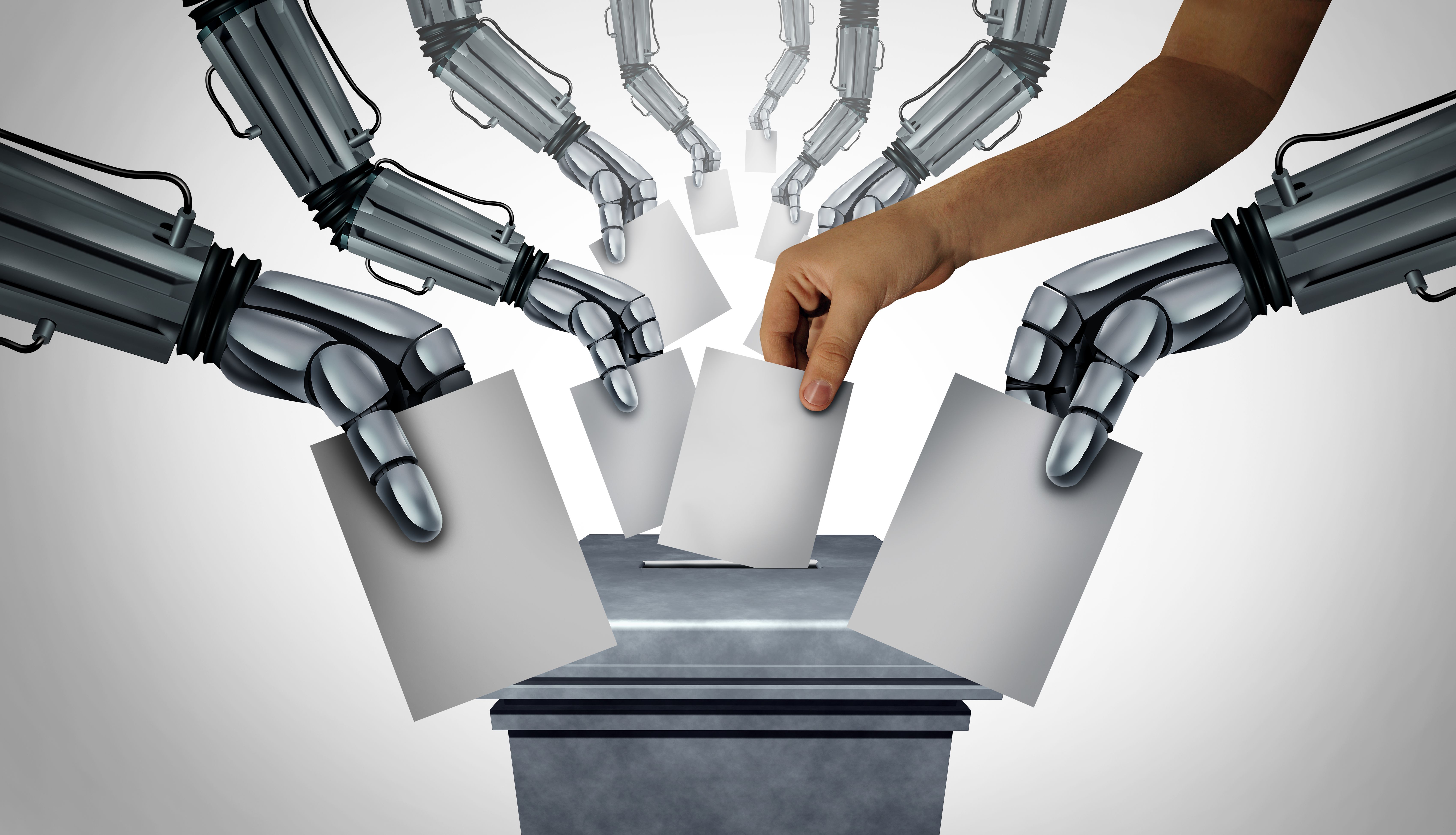
AI Controls Election Outcomes
One widespread belief is that AI can control election outcomes. This is a misconception. AI can analyze data and provide insights, but it does not possess the capability to change votes or manipulate election results. The integrity of an election depends on secure systems and human oversight.
While AI can assist in identifying trends and predicting outcomes based on data analysis, it is not infallible and relies heavily on the quality of the data it processes.
AI Replaces Human Decision-Making
Another common myth is that AI will replace human decision-making in elections. In reality, AI serves as a tool to assist decision-makers by providing data-driven insights. Human judgment remains crucial in interpreting these insights and making informed decisions.
AI Eliminates Bias
Some people believe that AI can eliminate bias in elections. However, AI systems are only as unbiased as the data they are trained on. If the input data carries biases, the AI's output will likely reflect those biases. It's important to continuously monitor and refine AI systems to reduce bias.
Misunderstanding AI's Capabilities
AI Can Predict Voter Behavior with Certainty
While AI can analyze patterns and make predictions about voter behavior, it cannot do so with absolute certainty. Human behavior is complex and influenced by numerous factors, making it difficult for AI to predict with 100% accuracy.

AI Can Replace Campaign Strategies
AI is a powerful tool for analyzing data and optimizing campaigns, but it cannot replace the need for strategic planning and human creativity. Successful campaigns require a blend of AI insights and innovative human strategies.
AI Guarantees Election Security
While AI can enhance security measures by detecting anomalies and potential threats, it is not a standalone solution. Comprehensive election security requires a combination of technology, policy, and human vigilance.
AI Implementation and Public Perception
AI Implementation is Easy
Implementing AI in election processes is not a simple task. It requires significant resources, expertise, and time to develop systems that are both effective and secure. Proper implementation is crucial to avoid potential pitfalls.

The Public Fully Trusts AI in Elections
The trust in AI's role in elections varies widely among the public. Transparency in how AI is used and clear communication about its limitations are essential to build and maintain trust. Educating the public is key to overcoming skepticism.
By addressing these misconceptions, we can foster a more informed discussion about the role of AI in elections, highlighting its potential benefits while acknowledging its limitations.