AI and Elections: Bridging the Gap Between Voters and Political Platforms


Understanding the Role of AI in Elections
As technology continues to evolve, artificial intelligence is becoming a significant player in the electoral process. From analyzing voter behavior to crafting personalized messages, AI has the potential to transform how political campaigns are conducted. The integration of AI in elections is not just about efficiency; it's about fostering a deeper connection between voters and political platforms.
AI's ability to process vast amounts of data quickly allows political parties to understand voter concerns more precisely. This understanding can translate into more targeted and relevant political messaging, ensuring that voters feel heard and valued.

Enhancing Voter Engagement
One of the primary benefits of AI in elections is its capacity to enhance voter engagement. By using AI-powered tools, political campaigns can tailor their communication strategies to suit individual voter preferences. This personalization means that voters receive information that resonates with their unique perspectives and needs.
Moreover, AI can help identify and address voter apathy by analyzing patterns and predicting voter turnout. Campaigns can then focus their efforts on motivating disengaged voters, ultimately increasing participation in the democratic process.
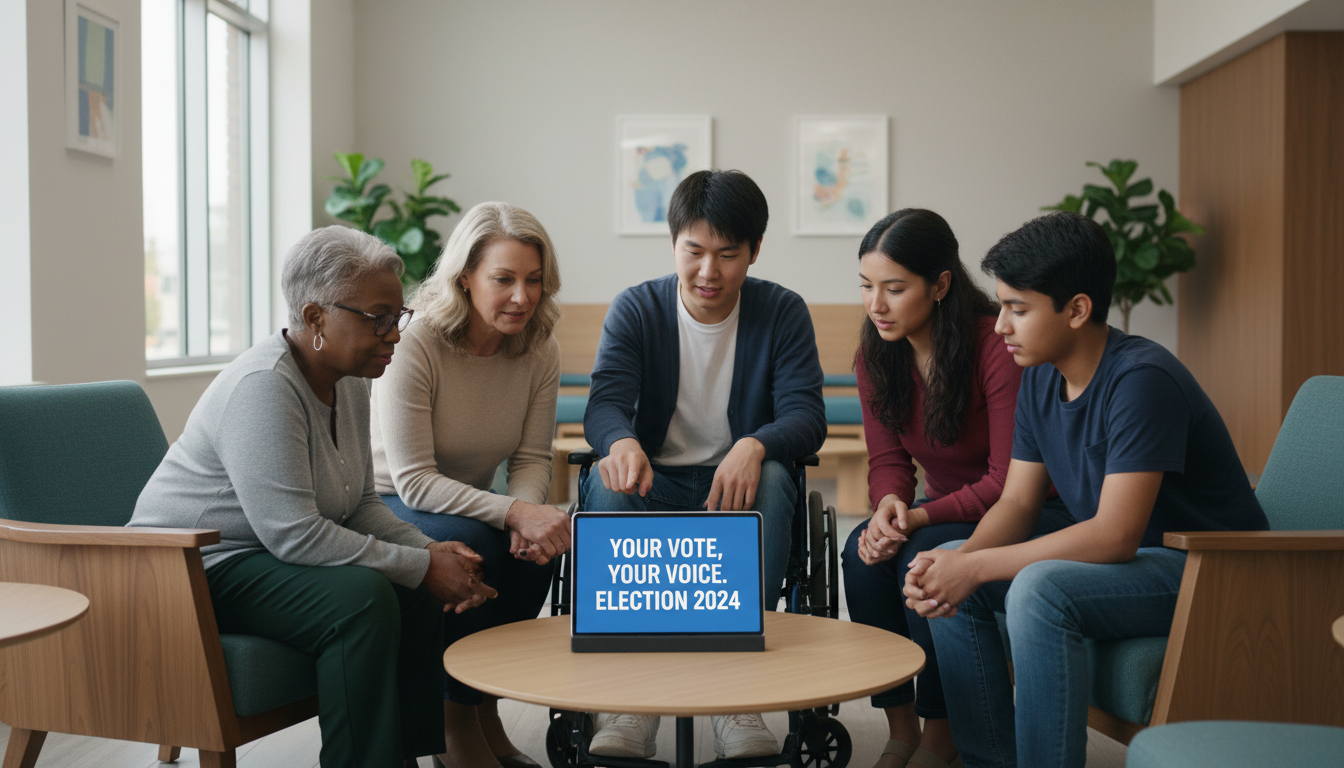
AI-Driven Insights for Political Campaigns
AI provides invaluable insights that can shape the direction of political campaigns. By analyzing social media discussions, sentiment analysis tools can gauge public opinion and predict how certain issues might influence voter decisions. This real-time feedback allows political platforms to adjust their strategies swiftly.
- Identifying key voter issues through data analysis
- Adapting campaign messages based on public sentiment
- Monitoring the effectiveness of campaign strategies

Addressing Concerns and Ethical Considerations
While the benefits of AI in elections are clear, it's important to address the ethical concerns associated with its use. Data privacy remains a critical issue, as the collection and analysis of voter information must be conducted transparently and responsibly.
Additionally, the potential for AI to spread misinformation or manipulate public opinion is a concern that requires vigilant regulation. Establishing ethical guidelines and oversight can help ensure that AI contributes positively to the electoral process.
The Future of AI in Political Campaigns
The future of AI in elections holds exciting possibilities. As technology advances, AI could play an even more integral role in shaping political landscapes. From virtual town halls powered by AI to real-time voter feedback systems, the potential for innovation is vast.
However, realizing this potential will require collaboration between technologists, policymakers, and the public. By working together, we can harness the power of AI to create more transparent, inclusive, and responsive electoral processes.