AI and Elections: Enhancing Voter Engagement Through Technology


In the digital age, the intersection of AI and elections is becoming increasingly significant. AI technologies are transforming how political campaigns are run and how voters engage with the democratic process. This shift presents both opportunities and challenges that need to be thoughtfully navigated.
Understanding AI's Role in Elections
Artificial intelligence plays a crucial role in modern elections by enhancing voter engagement and streamlining campaign efforts. AI can analyze vast amounts of data quickly, providing insights into voter behavior and preferences. This allows political campaigns to tailor their strategies to meet the needs of different voter demographics.
For example, AI-driven tools can identify key issues that resonate with specific communities, enabling candidates to address these concerns directly in their campaigns. This targeted approach not only increases voter interest but also fosters a more informed electorate.
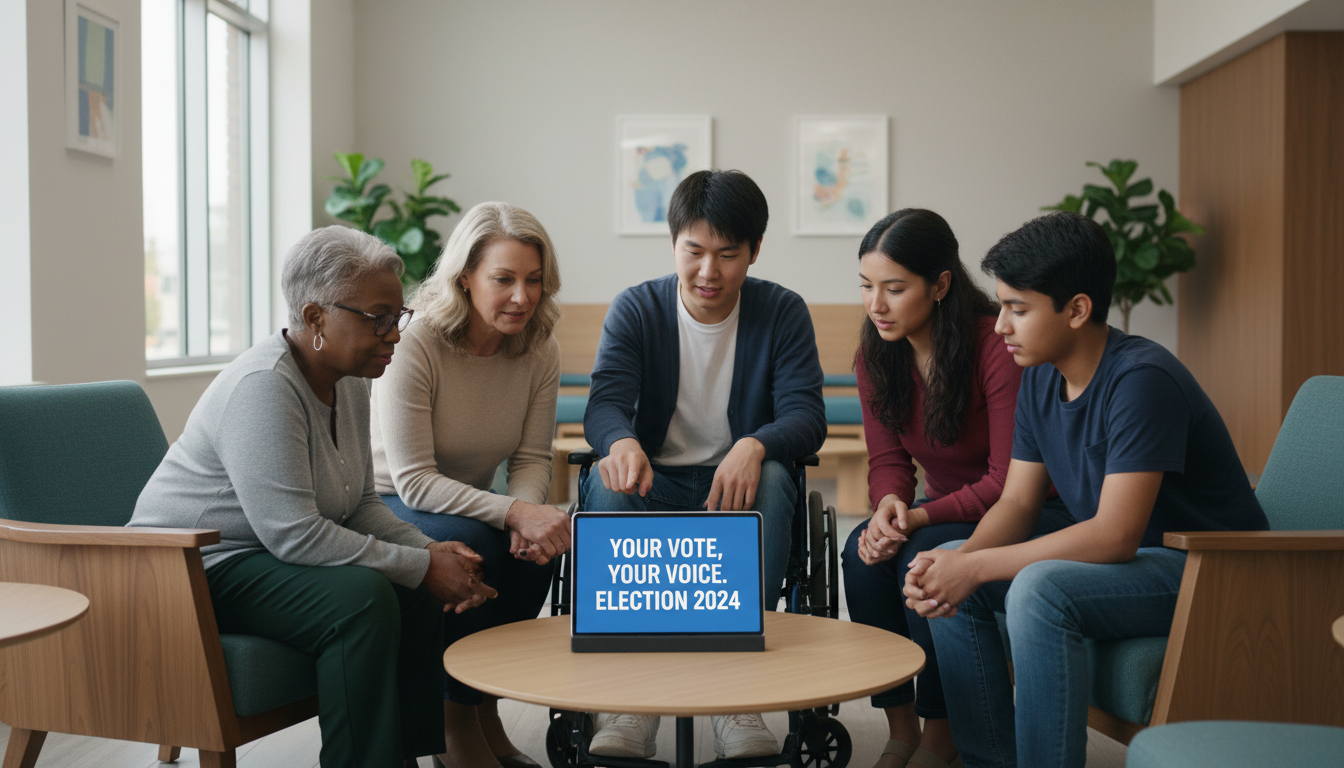
Personalized Voter Outreach
One of the most impactful ways AI enhances elections is through personalized voter outreach. By leveraging machine learning algorithms, campaigns can send customized messages to individual voters based on their interests and voting history. This personalization makes voters feel more connected to the candidates and issues at hand.
Email campaigns, social media interactions, and even direct mail can be optimized using AI to ensure that voters receive content that is relevant to them. This targeted communication can lead to higher voter turnout, as people feel their voices are being heard and represented.
Challenges of AI Implementation
While AI offers many benefits, it also presents challenges that must be addressed. Privacy concerns are paramount when dealing with voter data. Ensuring that AI systems comply with data protection regulations is crucial to maintain trust in the electoral process.

Moreover, the potential for AI to spread misinformation is a significant risk. As AI-generated content becomes more sophisticated, distinguishing between reliable information and fake news can be difficult for voters. It is essential for election bodies and tech companies to collaborate in developing tools that detect and mitigate the spread of misinformation.
AI in Debates and Political Discourse
AI technology is also making its mark in political debates and discourse. AI-powered platforms can analyze debate performances, providing real-time feedback and insights into candidates' statements and promises. This analysis helps voters understand complex issues and evaluate candidates more effectively.
These platforms can highlight inconsistencies in candidates' statements or provide fact-checking services, enabling voters to make more informed decisions. As a result, AI contributes to a more transparent and accountable political environment.

The Future of AI in Elections
The future of AI in elections is promising, with advancements continually being made to enhance voter engagement and improve the democratic process. As AI technology evolves, it is expected to play an even more significant role in shaping election outcomes and engaging voters in meaningful ways.
However, it is vital to ensure that these technologies are developed and implemented ethically, with a focus on protecting democratic values and voter rights. By doing so, AI can serve as a powerful tool for enhancing voter engagement and strengthening democracy worldwide.