Enhancing Democracy: The Impact of AI on Canadian Elections


The Role of AI in Modernizing Elections
Artificial intelligence is increasingly becoming a pivotal player in various sectors, and the political landscape is no exception. In Canada, AI is poised to revolutionize the way elections are conducted, potentially enhancing democratic processes. As technology advances, its integration into elections offers opportunities for improved efficiency, transparency, and voter engagement.

AI for Voter Engagement and Education
One of the most significant impacts of AI in Canadian elections is the enhancement of voter engagement and education. AI-driven platforms can analyze vast amounts of data to tailor information for voters, ensuring they receive relevant content about candidates and policies. This personalized approach helps voters make informed decisions, fostering a more engaged electorate.
Additionally, chatbots and virtual assistants can provide answers to common questions voters may have about the voting process. This technology can break down barriers to participation, such as misinformation or lack of understanding, contributing to higher voter turnout.
Streamlining Election Processes
AI has the potential to streamline various election processes, from voter registration to vote counting. By automating tasks that were traditionally manual, AI can reduce the risk of human error and increase the speed of operations. For instance, machine learning algorithms can verify voter identities swiftly and accurately, ensuring a more secure and efficient registration process.
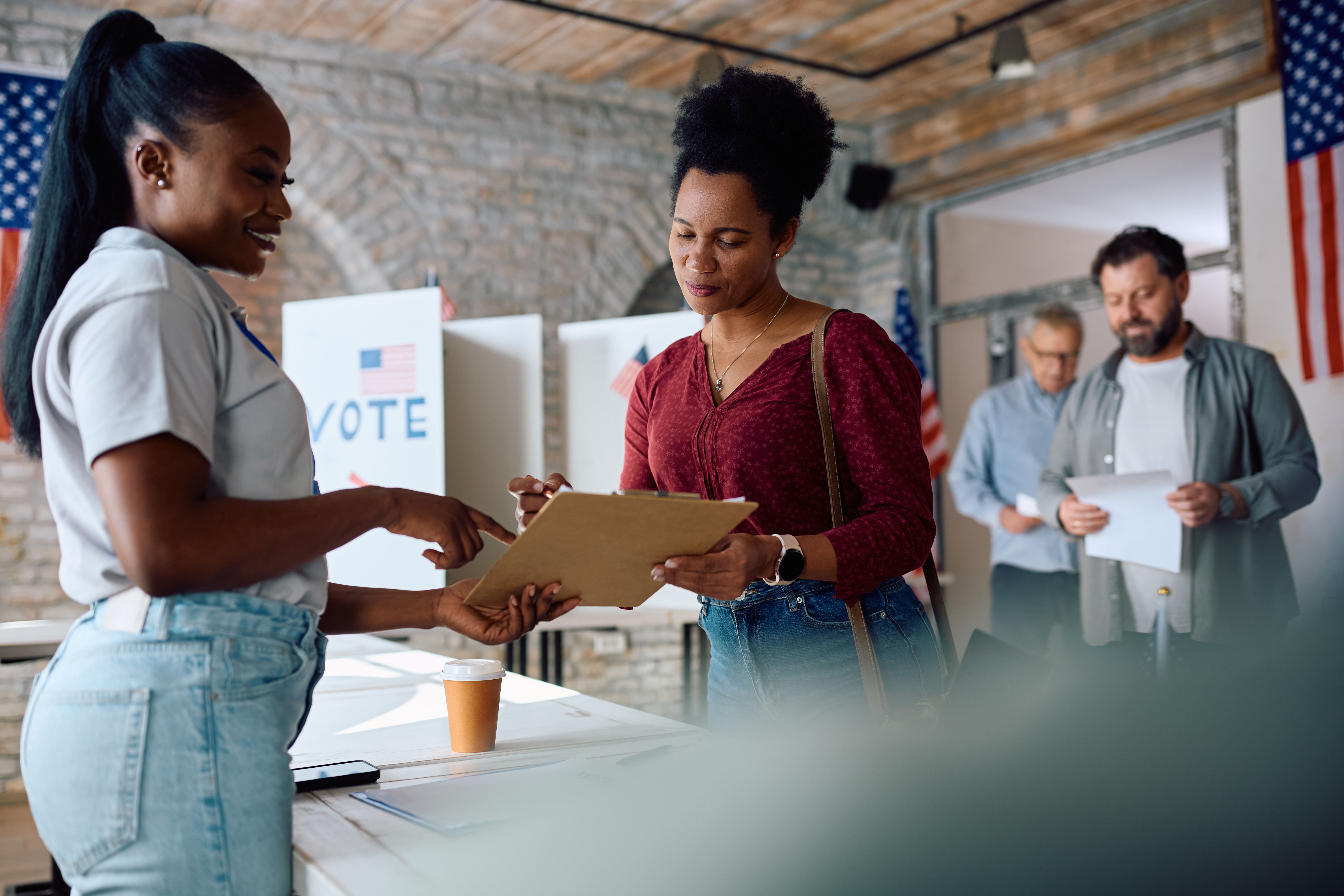
Furthermore, AI can aid in real-time monitoring and reporting of election outcomes, providing timely updates and enhancing transparency. This capability is crucial in maintaining the integrity and trustworthiness of the electoral system.
Ensuring Election Security
Security is a paramount concern in any election, and AI offers advanced solutions to combat potential threats. AI systems can detect patterns that may indicate cyber threats or fraudulent activities, allowing for rapid response and mitigation. By safeguarding the electoral process, AI helps protect the democratic framework.
Moreover, AI can be used to audit electronic voting systems, ensuring that votes are accurately recorded and counted. This layer of security reassures both voters and candidates, strengthening confidence in the electoral outcomes.
Challenges and Ethical Considerations
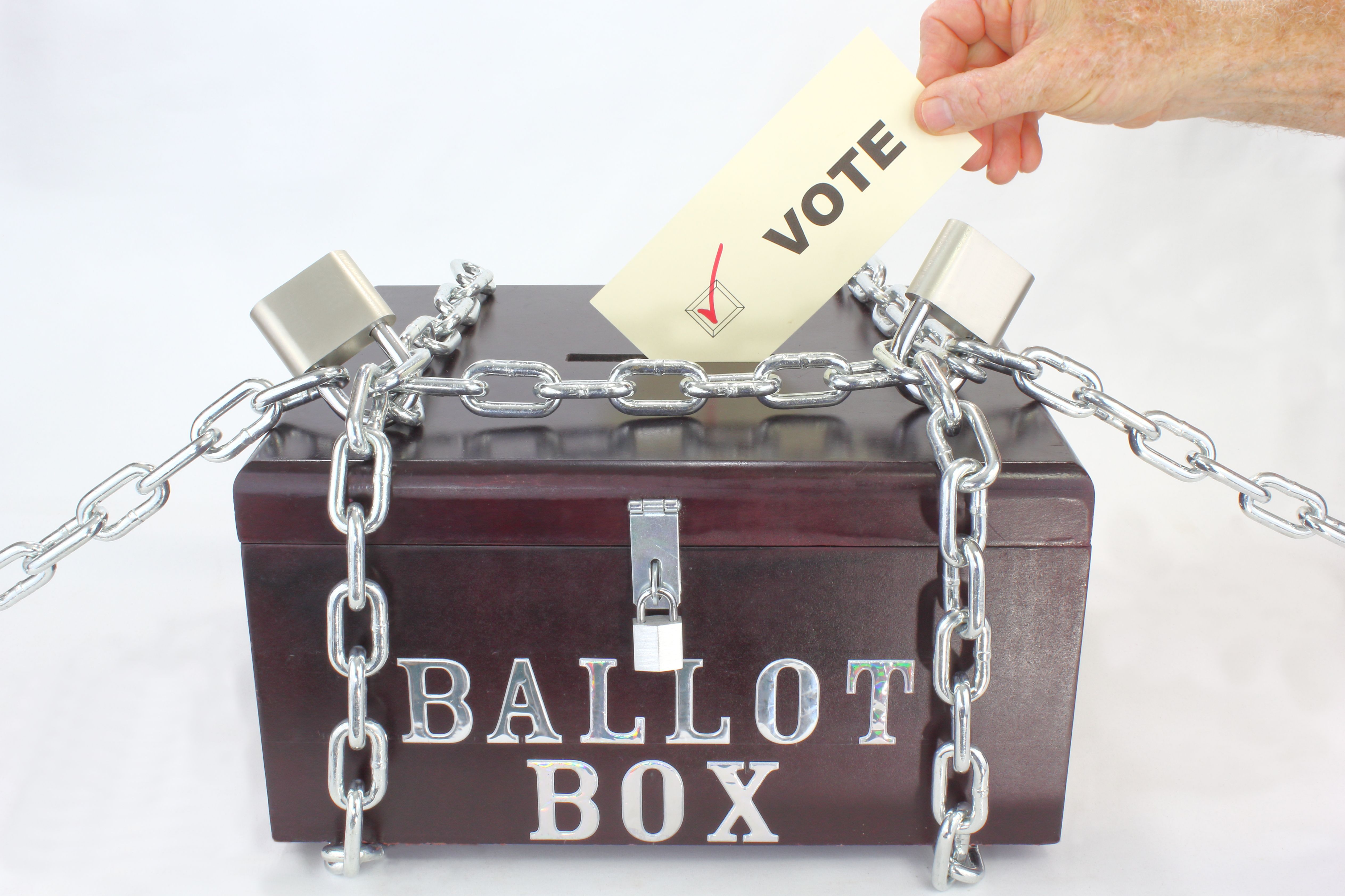
While AI presents numerous advantages, it also brings challenges and ethical considerations. Issues such as data privacy, algorithmic bias, and the potential for misuse must be addressed to ensure that AI enhances rather than undermines democracy. Policymakers and technologists must work collaboratively to create regulations and frameworks that guide the ethical use of AI in elections.
In conclusion, AI holds the promise of transforming Canadian elections by making them more efficient, transparent, and secure. As this technology continues to evolve, its integration into the electoral process must be managed carefully to uphold the principles of democracy.