Exploring the Future: AI Trends in Political Campaigning


Introduction to AI in Political Campaigning
Artificial Intelligence is increasingly becoming a cornerstone in political campaigning. As technology evolves, so do the strategies that political entities use to engage with voters and influence public opinion. This blog post explores the future of AI trends in political campaigning and how they are reshaping the landscape of modern politics.
Data Analysis and Voter Targeting
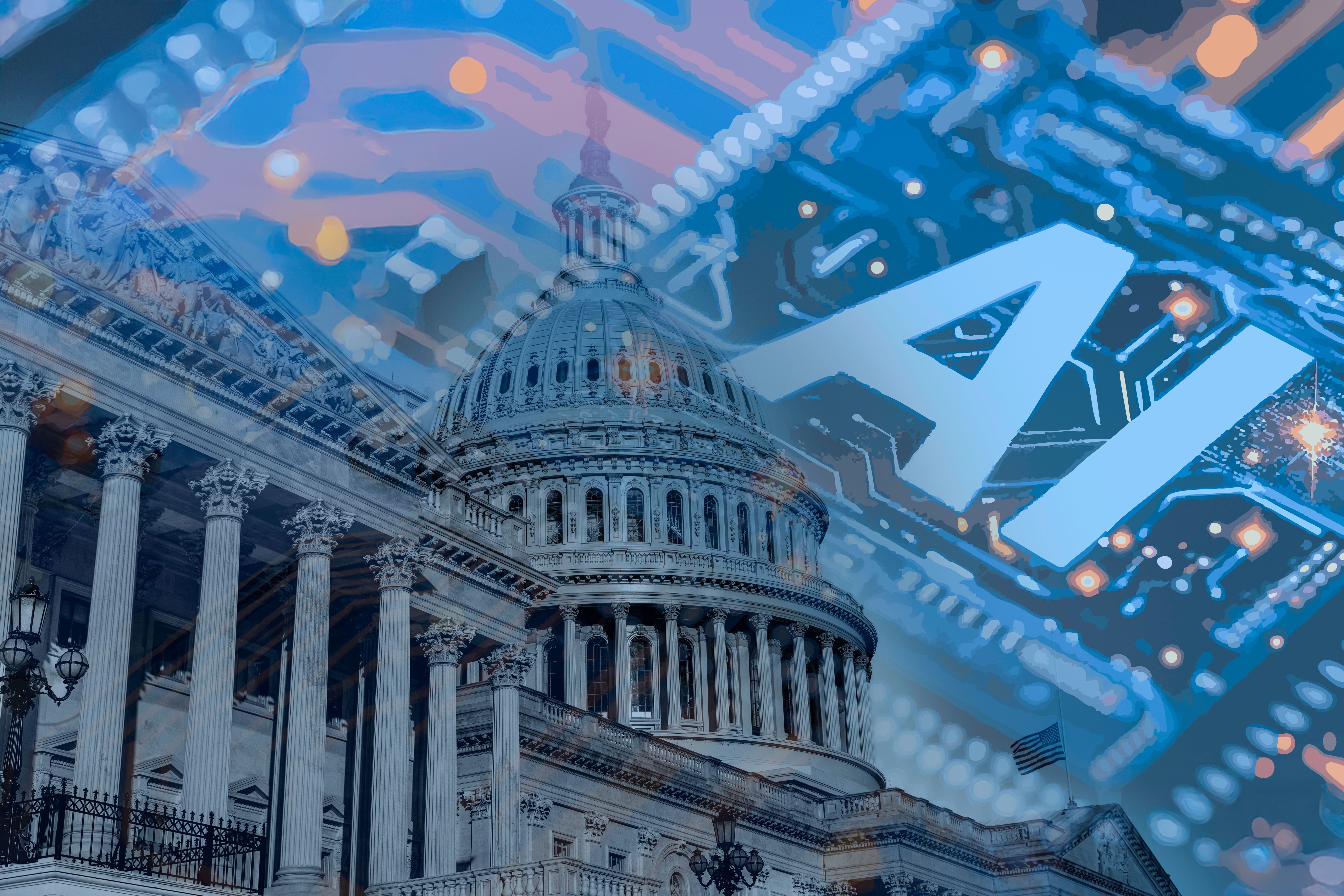
One of the most significant impacts of AI in political campaigns is in data analysis and voter targeting. Campaigns can now analyze vast amounts of data to identify voter preferences and tailor messages accordingly. This enables political parties to focus their efforts on key demographics and swing states, significantly enhancing their chances of success.
AI-driven analytics tools can process data from various sources, including social media, public records, and past voting behaviors. By leveraging machine learning algorithms, campaigns can predict voter turnout and identify potential supporters more accurately than ever before.
Automated Content Creation and Distribution
AI is also revolutionizing how campaigns create and distribute content. Automated tools can generate personalized messages for different voter segments, ensuring that the right message reaches the right audience. This allows for more efficient use of resources and maximizes the impact of campaign efforts.

Moreover, AI can optimize the timing and placement of ads across multiple platforms. By analyzing user behavior and engagement patterns, campaigns can ensure that their messages are seen by the most receptive audiences at the most opportune times.
Enhancing Voter Engagement
Interactive AI technologies, such as chatbots, have become valuable tools for engaging with voters. These virtual assistants can answer questions, provide information about a candidate's policies, and even help with voter registration processes. This level of interactivity fosters a stronger connection between candidates and the electorate.
Furthermore, AI-driven sentiment analysis allows campaigns to gauge public opinion in real-time. By monitoring social media conversations and news coverage, campaigns can adjust their strategies to address voter concerns promptly.

Ethical Considerations and Challenges
While AI offers numerous advantages, it also raises ethical concerns. Issues such as data privacy, misinformation, and algorithmic bias must be carefully managed to ensure fair and transparent elections. Campaigns must navigate these challenges to maintain public trust and ensure the ethical use of technology.
There is also the potential for AI to exacerbate political polarization. By creating highly personalized content, campaigns may inadvertently contribute to echo chambers, where voters are only exposed to information that reinforces their existing beliefs.
The Future of AI in Politics
As we look to the future, AI's role in political campaigning is set to expand even further. Innovations in natural language processing and deep learning will enable more sophisticated voter interactions and predictive analytics. However, the success of these technologies will depend on how effectively they are integrated into campaign strategies and how responsibly they are used.
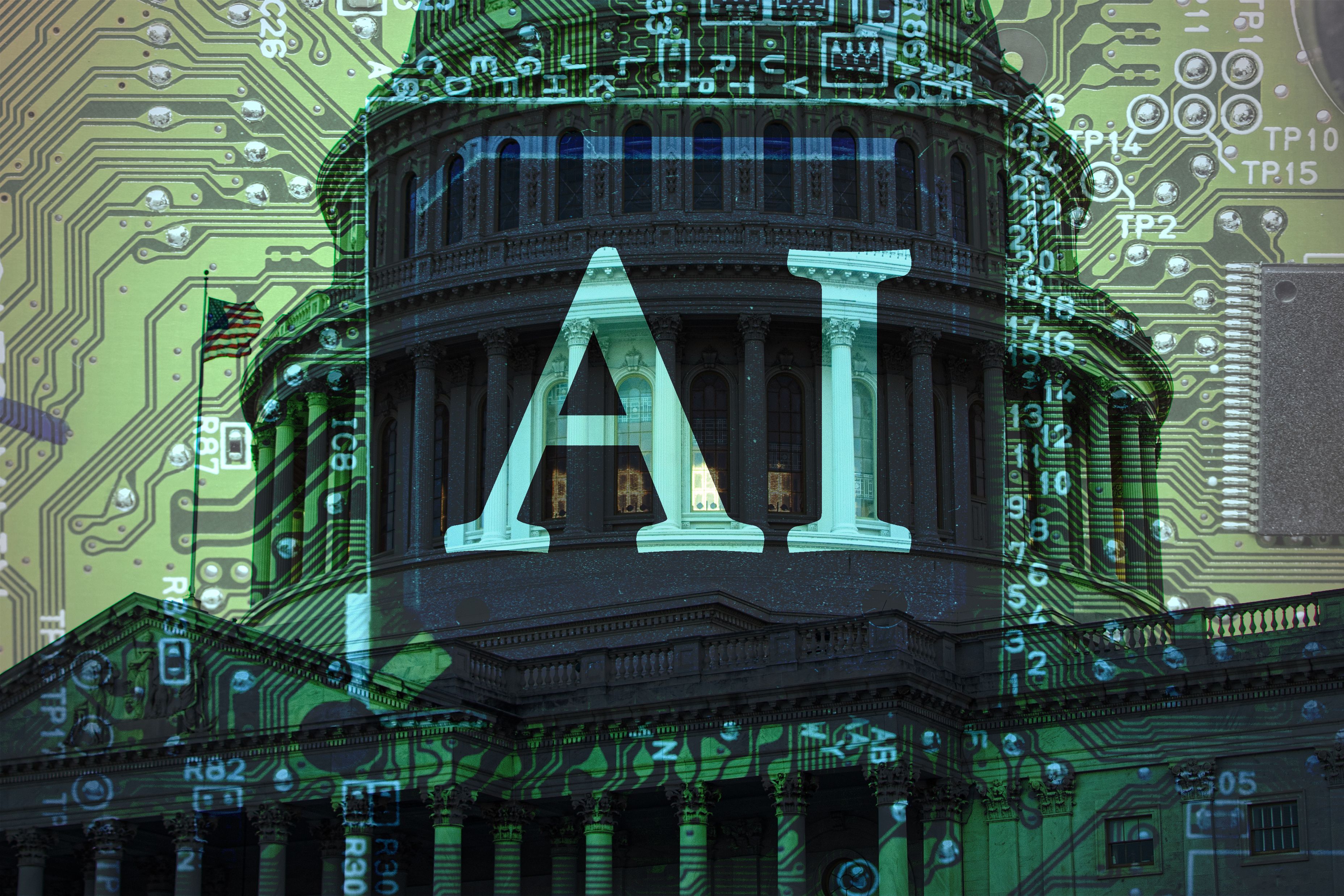
Ultimately, AI has the potential to transform political campaigning, making it more efficient and tailored to the needs of the electorate. By embracing these technologies responsibly, political entities can enhance democratic processes and create more meaningful connections with voters.