Exploring the Impact of AI on Democracy and Voting Behavior


Understanding AI's Role in Modern Democracies
Artificial Intelligence (AI) is rapidly transforming various aspects of our lives, including how democracies function. From influencing public opinion to potentially altering voting behavior, AI's impact is profound and multifaceted. As nations grapple with integrating AI into their political systems, understanding its implications is crucial for safeguarding democratic values.
AI and Political Campaigning
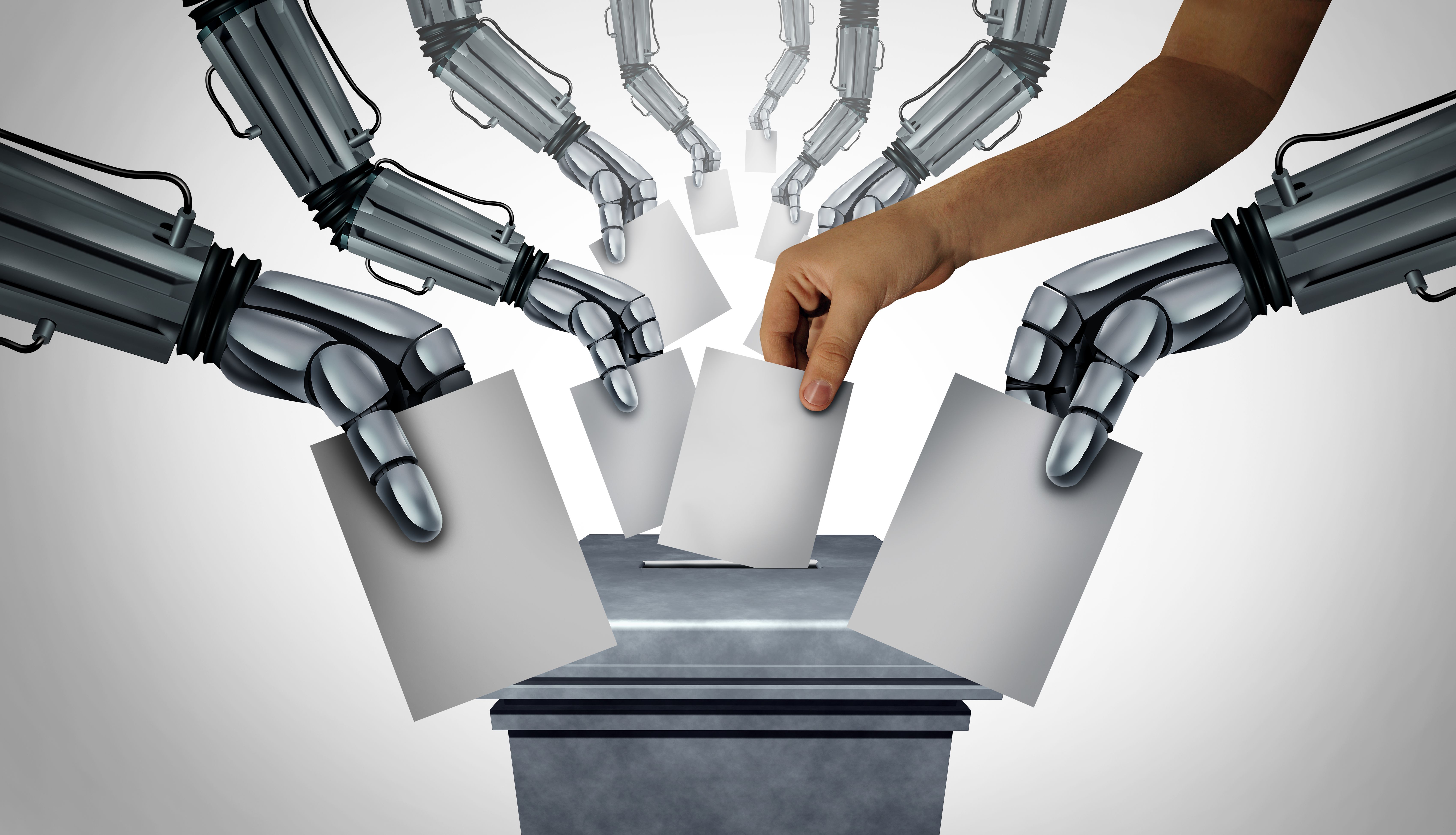
One significant area where AI is making waves is in political campaigning. Advanced algorithms analyze vast amounts of data to tailor political messages to individuals, creating more personalized and effective campaigns. This level of personalization can enhance voter engagement but also raises ethical questions about privacy and manipulation.
AI-driven tools can process social media activity, browsing history, and other personal data to predict voter preferences. While this can help candidates connect with their audience, it also poses risks of misinformation and biased content dissemination. Ensuring transparency in these processes is vital to maintain trust in democratic institutions.
Influence on Voting Behavior
AI's ability to influence voting behavior extends beyond campaigning. Predictive analytics can forecast election outcomes and voter turnout, allowing political parties to strategize more effectively. However, relying too heavily on these predictions might discourage voter participation, affecting the democratic process.
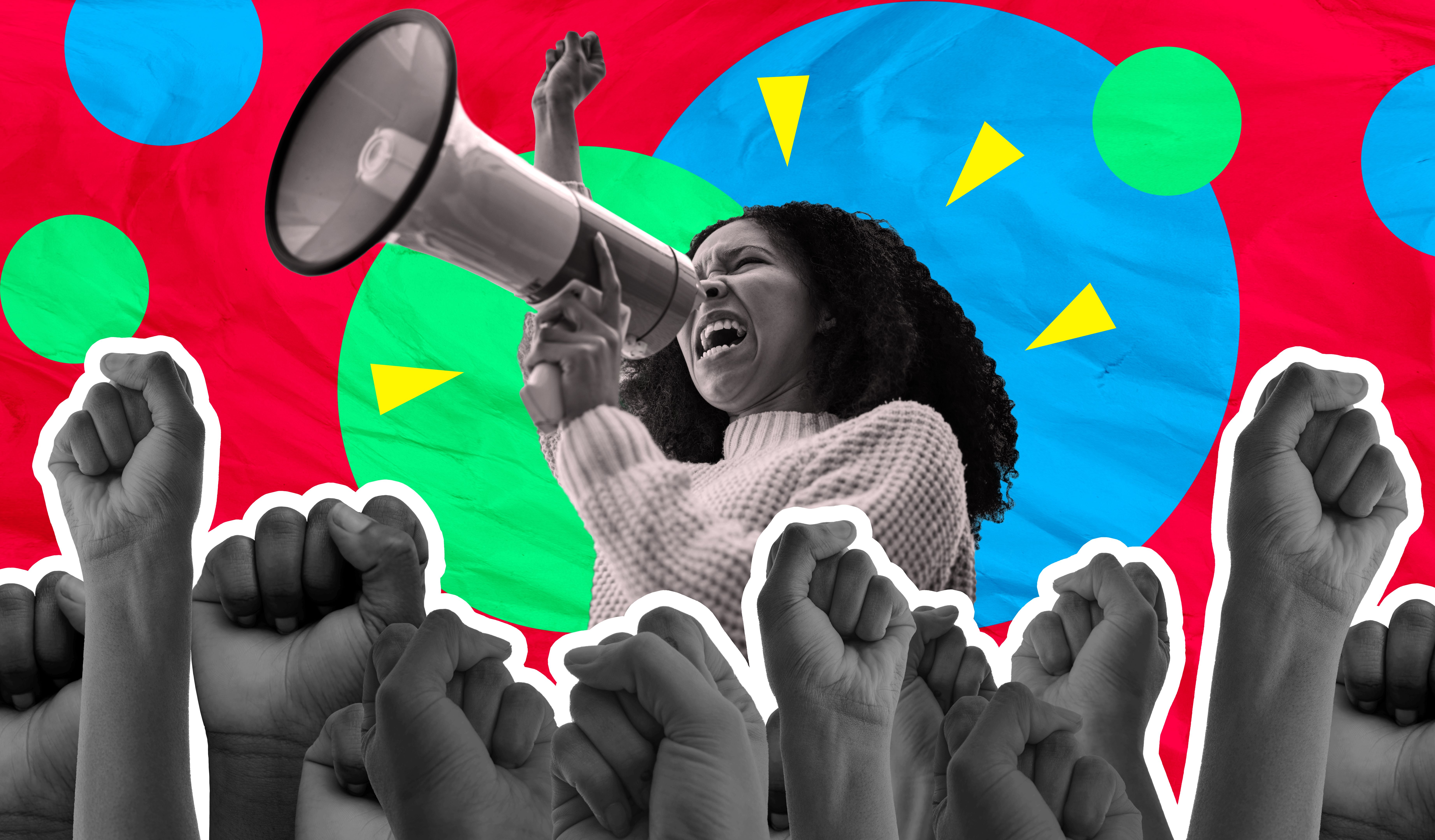
Moreover, there is the potential for AI to perpetuate existing biases. If algorithms are trained on biased data, they might reinforce stereotypes and contribute to unequal representation. Policymakers must address these biases to ensure fair and equitable electoral processes.
Enhancing Voter Access and Participation
Despite challenges, AI offers opportunities to enhance voter access and participation. Automated systems can simplify voter registration, provide real-time election updates, and offer multilingual support to ensure inclusivity. These advancements can help reduce barriers to voting and encourage broader participation.
Furthermore, AI can aid in preventing voter fraud by identifying suspicious patterns and ensuring the integrity of election results. By leveraging technology, electoral bodies can enhance the transparency and security of the voting process.
Regulating AI in Democratic Systems
As AI continues to evolve, establishing regulations to govern its use in democratic systems is essential. Clear guidelines on data privacy, ethical AI deployment, and accountability mechanisms are necessary to prevent misuse and maintain public confidence in electoral outcomes.
International cooperation may also be required to address cross-border challenges associated with AI in elections. Sharing best practices and developing global standards can help mitigate risks and promote democratic resilience in the digital age.
The Future of AI and Democracy
The intersection of AI and democracy presents both opportunities and challenges. While AI can enhance democratic processes by increasing efficiency and inclusivity, it also poses risks related to privacy, bias, and manipulation. Striking a balance between innovation and ethical governance will be crucial as we navigate this new frontier.
Ultimately, the impact of AI on democracy will depend on how societies choose to integrate and regulate these technologies. By prioritizing transparency, accountability, and inclusivity, we can harness the potential of AI to strengthen democratic values and empower citizens.