How AI is Revolutionizing Political Transparency


The Rise of AI in Political Transparency
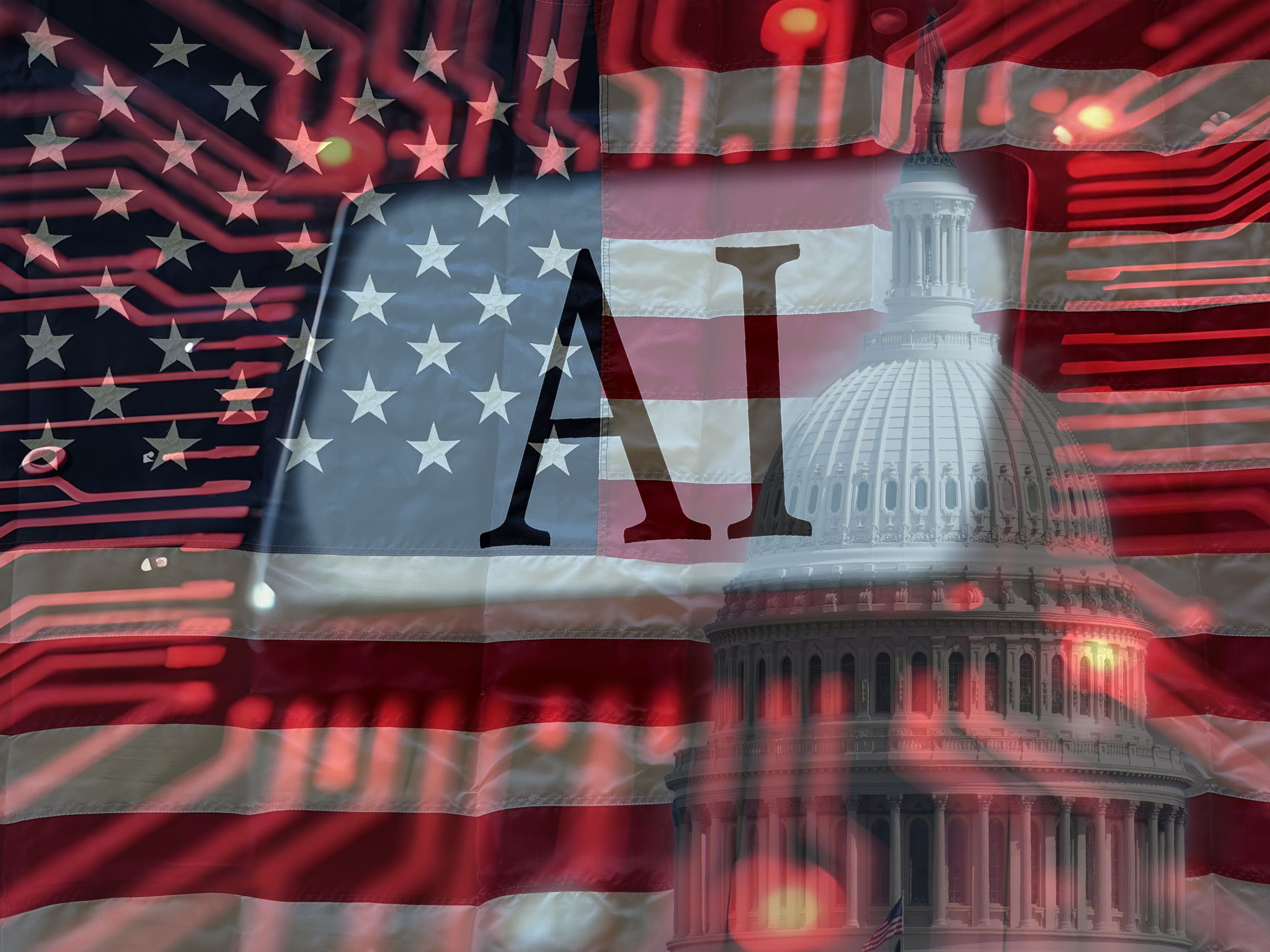
In recent years, artificial intelligence has emerged as a powerful tool in promoting political transparency. Governments and organizations are leveraging AI to enhance accountability and open up new avenues for citizen engagement. This shift is transforming the political landscape by making information more accessible and understandable to the public.
AI-driven technologies can process vast amounts of data quickly and accurately, which is crucial in monitoring government activities and expenditures. By analyzing complex datasets, AI can uncover patterns and anomalies that might indicate corruption or misuse of resources.
Enhancing Accessibility to Information
One of the key benefits of AI in political transparency is its ability to make information more accessible to citizens. AI-powered platforms can summarize lengthy government documents, providing concise and digestible insights. This capability ensures that even those without specialized knowledge can understand governmental processes and decisions.
Moreover, AI can translate documents into multiple languages, breaking down barriers for non-native speakers and fostering a more inclusive political discourse. This democratization of information is pivotal in empowering citizens to engage with their governments effectively.

Real-Time Monitoring and Analysis
AI is also revolutionizing how political activities are monitored in real-time. Through advanced data analytics and machine learning, AI systems can track political campaigns, social media interactions, and public sentiments. This real-time analysis helps identify misinformation and propaganda, safeguarding the integrity of political processes.
Furthermore, AI can predict election outcomes and public responses, providing valuable insights for policymakers and political analysts. These predictive capabilities can guide decision-making and strategy formulation, making political processes more transparent and participatory.

Challenges and Considerations
Despite its potential, the integration of AI in political transparency raises ethical and practical concerns. Ensuring data privacy and preventing AI biases are critical challenges that need addressing. Policymakers must establish regulations to govern AI use in politics, ensuring it serves the public interest.
Additionally, there is a risk that AI technologies could be exploited for political manipulation. Therefore, transparency in AI algorithms and their applications is essential to maintain public trust and ensure fair usage.
The Future of AI in Politics
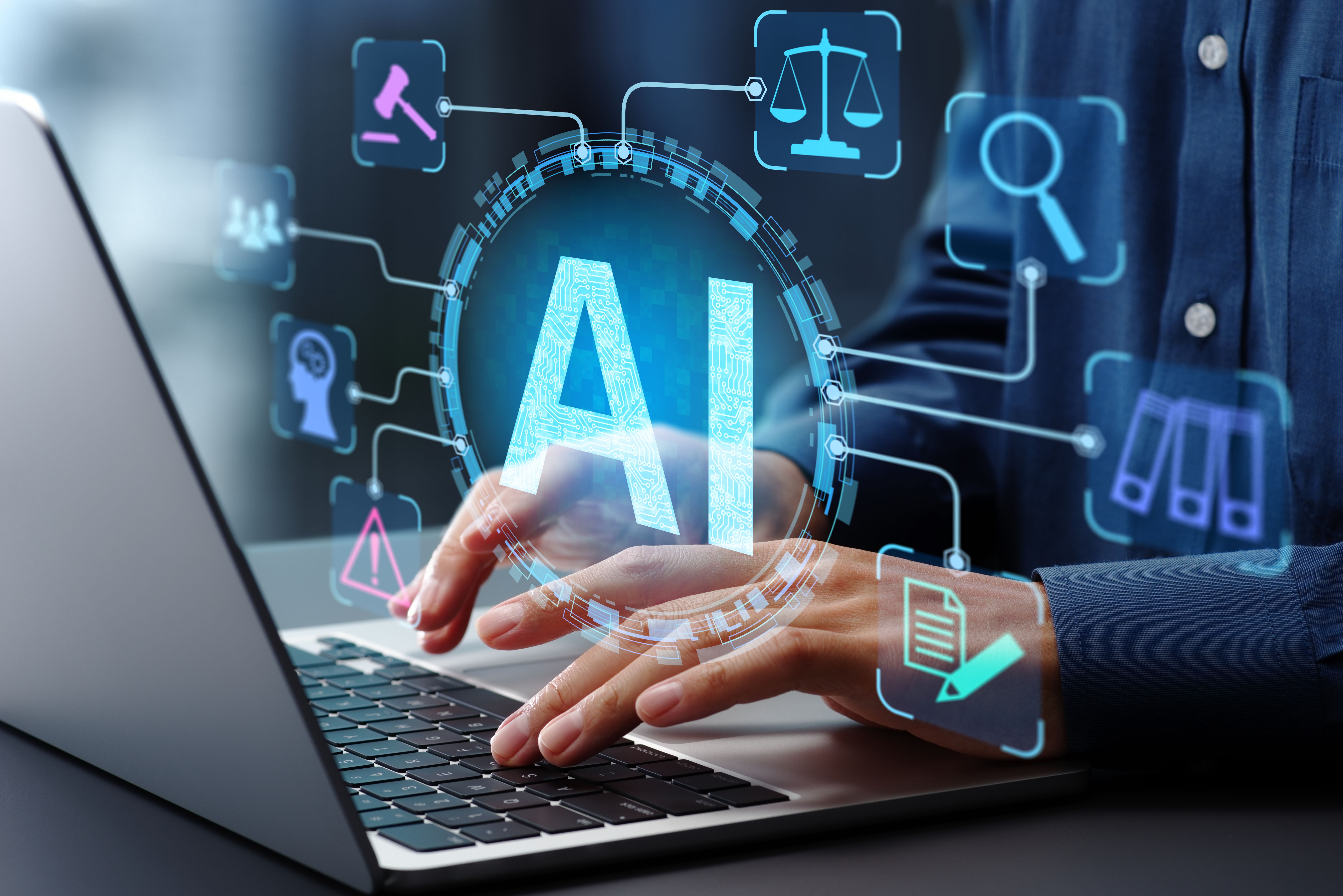
As AI continues to evolve, its role in political transparency will likely expand. Innovations such as blockchain integration and enhanced natural language processing hold promise for further advancements in this field. These technologies could provide more secure and transparent voting systems, making elections more reliable and accessible.
Ultimately, the goal is to create a political environment where citizens are informed and engaged, fostering a democratic society built on trust and accountability. By embracing AI, governments and organizations can pave the way for a more transparent and responsive political landscape.