How AI is Revolutionizing Political Transparency in Canada


The Role of AI in Enhancing Political Transparency
Artificial Intelligence (AI) is making significant strides in transforming various sectors, and political transparency in Canada is no exception. The integration of AI into governmental processes is enhancing how information is shared with the public, promoting accountability and trust in political institutions.
AI technologies are being utilized to process and analyze large volumes of data, making it easier for citizens to access information about government activities. This shift is crucial in a democratic society where transparency is fundamental to informed decision-making and public trust.

AI-Powered Data Analysis
One of the primary ways AI is revolutionizing political transparency is through data analysis. Governments generate vast amounts of data daily, from financial records to policy documents. AI algorithms can sort through this data efficiently, identifying patterns and insights that would be challenging for humans to detect.
By using AI to analyze this data, governments can provide clearer, more accessible reports to the public. This transparency allows citizens to understand government actions better, fostering a more informed and engaged electorate.
Improving Access to Information
AI is also improving access to information by making it easier for citizens to find and understand government documents. Natural Language Processing (NLP) technology can be used to create more intuitive search functions for online databases, allowing users to find relevant information quickly and easily.
This enhanced accessibility is particularly beneficial for journalists, researchers, and activists who rely on government data to inform their work. By facilitating access to information, AI is empowering these individuals to hold political leaders accountable.
AI in Monitoring and Reporting
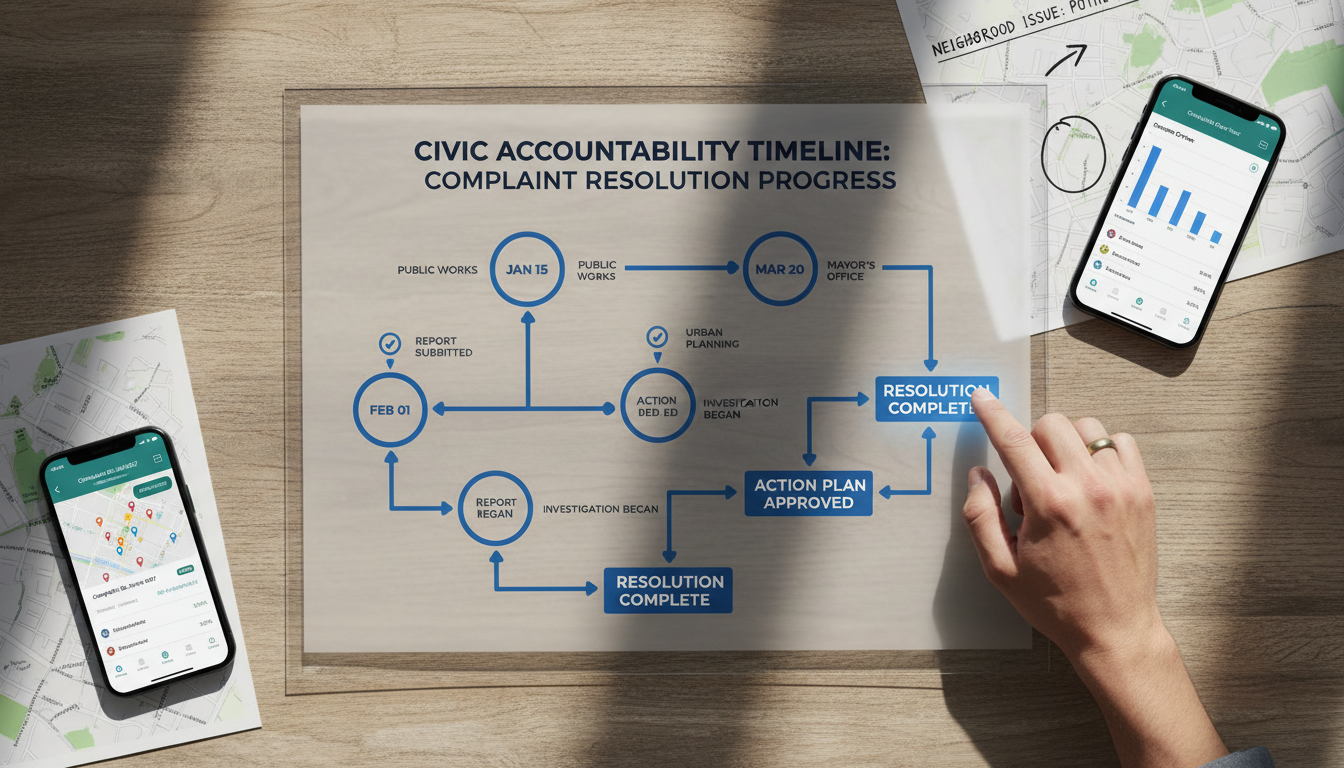
Another significant application of AI in political transparency is in monitoring and reporting governmental activities. AI tools can track legislative changes, budget allocations, and policy implementations in real-time, providing updates to the public and media outlets.
This real-time monitoring helps ensure that government actions align with public interests and legal standards. It also enables quicker responses to potential issues, further enhancing accountability.
Challenges and Ethical Considerations
While AI offers numerous benefits for political transparency, it also presents challenges. Ensuring data privacy and preventing misuse of AI tools are critical considerations. Governments must implement robust ethical guidelines and oversight mechanisms to prevent potential abuses of AI technology.

Moreover, there is a need for transparency in how AI algorithms are developed and used. Public understanding of these technologies is essential to maintaining trust in AI-driven governmental processes.
The Future of AI and Political Transparency
As AI technology continues to evolve, its role in enhancing political transparency in Canada is likely to expand. By fostering more open and accountable governance, AI has the potential to strengthen democratic institutions and empower citizens.
Ultimately, the successful integration of AI into political processes will depend on ongoing collaboration between technologists, policymakers, and the public to address challenges and maximize benefits.