Why Neutrality Matters: Ensuring Unbiased AI Responses in Elections


The Importance of Neutrality in AI
As technology continues to evolve, artificial intelligence (AI) plays an increasingly significant role in various aspects of our lives, including politics. In the context of elections, ensuring that AI systems remain neutral and unbiased is crucial. This neutrality fosters trust and ensures that all political entities are treated fairly.
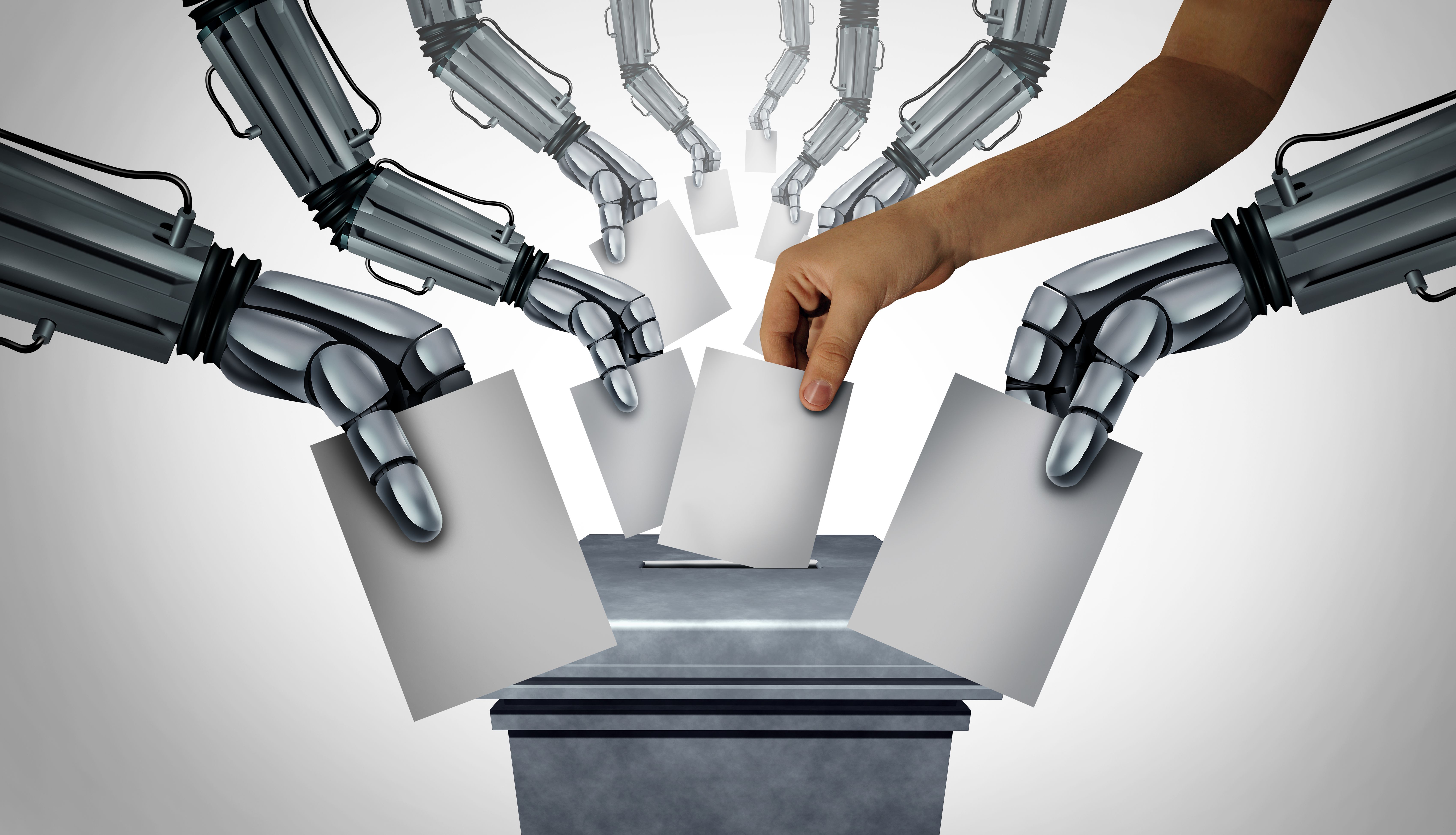
Understanding Bias in AI
Bias in AI can occur when data used to train these systems is not representative of all groups or when the algorithms themselves are flawed. Such biases can inadvertently influence AI responses, leading to skewed outcomes that may affect public opinion during elections. To combat this, it is essential to develop AI models that prioritize fairness and equality.
The Role of AI in Elections
AI is utilized in various election-related tasks, from facilitating voter registration to analyzing social media sentiment. These applications significantly enhance efficiency and reach. However, if these systems are biased, they can misrepresent political landscapes, influencing voter perceptions and decisions.

Ensuring Unbiased AI Responses
To maintain neutrality, developers must focus on the following strategies:
- Comprehensive Data Collection: Use diverse and representative datasets to train AI systems.
- Regular Audits: Implement regular checks and balances to identify and rectify biases.
- Transparency: Maintain transparency in AI processes to build public trust.
The Ethical Implications
Using biased AI systems in elections raises significant ethical concerns. Such biases can lead to unfair advantages for certain candidates or parties, undermining the democratic process. Therefore, ethical considerations must be at the forefront of AI development, particularly in politically sensitive areas.
Building Trust in AI Systems
For AI to be trusted in the electoral process, stakeholders must collaborate to ensure neutrality. This involves policymakers, technologists, and civil society working together to create robust frameworks that guarantee unbiased AI applications.

The Future of AI in Elections
As AI technology advances, its role in elections is likely to grow. By prioritizing neutrality and unbiased responses, we can harness the full potential of AI to enhance democratic processes. This commitment to neutrality will ensure AI remains a tool for positive change rather than a source of division.
Conclusion
Neutrality in AI is not just a technical issue but a fundamental component of maintaining fair and transparent elections. By addressing biases and ensuring unbiased AI responses, we can protect the integrity of our democratic systems and promote trust in the technology that shapes our future.